Under-eye hollowing can be improved with filler, but only where hollowing is genuinely the cause. Assessment matters more here than anywhere else on the face.


The tear trough is the groove that runs from the inner corner of the eye down and outwards across the top of the cheek. Where it has deepened, the shadow it casts reads as tiredness regardless of how much sleep you have had.
Tear trough filler places a small amount of a soft hyaluronic acid product into that groove to reduce the shadow. Done well, it is one of the most effective treatments in aesthetics. Done without proper assessment, it is the treatment most likely to produce a result worse than the starting point, and a meaningful share of the correction work in this clinic is under-eye filler that should not have been placed.
At Dr Ellie Sateei’s London clinic, the consultation for this treatment is longer than most, because the assessment determines whether treatment happens at all.
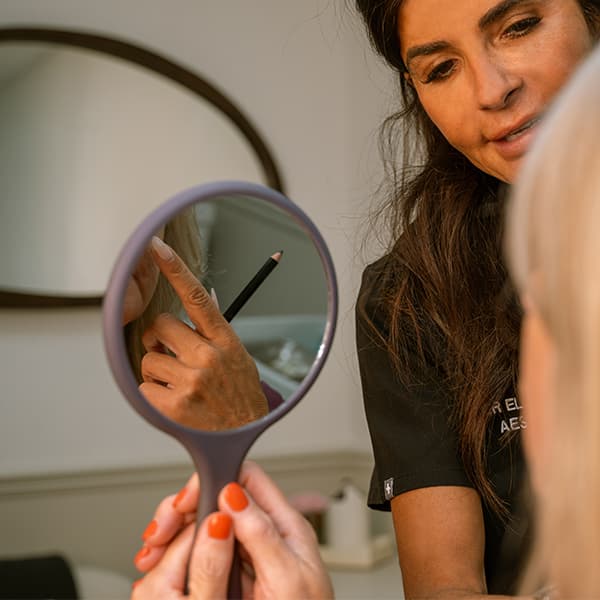
Under-eye shadowing has at least four causes, and only one of them responds to filler.
Hollowing, where volume has been lost and the groove has deepened, is the one filler addresses. Pigment, where the skin itself is darker, does not improve with volume and is a skincare question. Skin translucency, often hereditary, where the vessels beneath thin skin show through, is a skin quality question better served by polynucleotides. Puffiness, where fat pads protrude or fluid collects, frequently looks worse after filler, because volume added beneath a full area increases the heaviness.
Many patients have a combination. Dr Sateei examines which is dominant before deciding, and will tell you where filler is not the answer.
Where treatment is appropriate, a soft, low-water-binding product is used, placed deep against the bone, in very small quantities, with a cannula wherever possible to reduce bruising and vascular risk. Conservative volume is not a preference in this area. It is the only safe approach, because product placed too superficially or in too great a quantity can produce persistent swelling or a bluish discolouration that lasts as long as the filler does.
Tear trough filler may suit you if:
It is not the right treatment where puffiness or fat pad prominence is the dominant feature, where the shadowing is pigment, or where under-eye skin is thin and crepey. In those cases polynucleotides, skincare or no treatment at all is the honest recommendation, and Dr Sateei makes that recommendation regularly.
As an injectable treatment, it is not recommended during pregnancy or breastfeeding. Your medical history and all previous under-eye treatment will be discussed in detail.

Numbing cream is applied. A cannula is used wherever possible, which most patients describe as pressure rather than sharp pain. Treatment takes around 30 to 45 minutes including assessment and numbing.
Bruising is more common here than in any other filler area, and can take up to a week to settle. Swelling in the first few days is normal and does not represent the result. This is not a treatment to have close to an event.
The result is assessed at two to four weeks, later than other areas, because under-eye swelling takes longer to resolve fully. Duration varies considerably between individuals, generally nine to eighteen months, and some patients retain product in this area for longer than expected.
| Treatment | London | Sevenoaks |
|---|---|---|
| Tear trough filler | From £795 | From £750 |
| Polynucleotide eye rejuvenation, 1 session | From £450 | From £450 |
| Polynucleotide eye rejuvenation, minimum 2 sessions | From £795 | From £795 |
| Filler dissolving | From £350 | From £350 |
New patient consultation, £195 at both clinics. If you go ahead with treatment on the day of your appointment, this fee is deducted from the cost of your treatment.
Prices correct as published and subject to change.
“I turn more patients away from this treatment than I accept for it. Not because it does not work, it works beautifully when hollowing is genuinely the problem, but because most under-eye shadowing is not hollowing. It is pigment, or thin skin, or puffiness, and filler makes two of those three worse. The reason I am cautious is that I spend a good part of my week dissolving what somebody else was not cautious about.”
Dr Ellie Sateei has over two decades of experience in dermatology and aesthetics.
From £795 in London. Your consultation is £195, deducted from the cost of treatment if you go ahead on the day.
Only if the shadow is caused by hollowing rather than by pigment, thin skin or puffiness. Dr Sateei assesses which is dominant, and declines to treat where filler is not the answer.
Where the issue is dehydration, fine lines and skin quality, polynucleotides are usually more appropriate. Where there is genuine volume loss, filler may be. This is exactly what the consultation determines.
Generally nine to eighteen months, though duration varies considerably in this area and some patients retain product for longer.
Bruising is more common here than in any other filler area and can take up to a week to settle. This is not a treatment to have close to an event.
Yes, using hyaluronidase, from £350. If you are unhappy with under-eye filler placed elsewhere, bring whatever records you have of what was used and when.
Following tear trough filler with Dr Ellie Sateei, most patients return to normal activity the same day. Some swelling and tenderness at the injection points is expected in the first day or two, and light bruising is common. What you see in the first week is not the result. Filler settles and integrates with the surrounding tissue over the following two weeks, and the shape you are judging on day two is not the shape you will have on day fourteen. Dr Sateei will have set out the timeline with you at consultation, and it is worth returning to it rather than assessing too early.
Hyaluronic acid filler draws water to itself, which is why the treated area often looks fuller at first than it eventually will. Aftercare in the first few days is about leaving the product where it was placed and not encouraging more swelling than necessary: no pressure, no heat, no vigorous exercise. The skin itself needs very little, so keep the routine plain until any tenderness has gone.
To prepare for your appointment:
On the day, clinical photographs and consent are completed if not already done, the skin is cleansed thoroughly, and topical anaesthetic is applied for comfort. Treatment takes approximately 30 to 45 minutes following preparation.
You may notice:
None of this is the result. Please do not assess the outcome at this stage, and avoid photographing it for comparison.
For the first 24 hours
For the first few days
A cool compress, used gently and without pressure, may help with swelling in the first 24 hours.
There is an immediate change, but it is not the final one.
Tear trough filler may not be appropriate if you have:
Suitability is confirmed at a full medical consultation before any treatment is carried out. Where Dr Sateei judges that tear trough filler is not the right approach, she will say so.
Please contact the clinic if you experience:
Treatments of interest to book alongside tear trough fillers
Tear trough filler works well where hollowing is genuinely what is casting the shadow, and poorly where it is not. The most useful next step is finding out which applies to you, and the honest answer may be that a different treatment, or none, will serve you better. Dr Ellie Sateei sees patients at her London clinic.
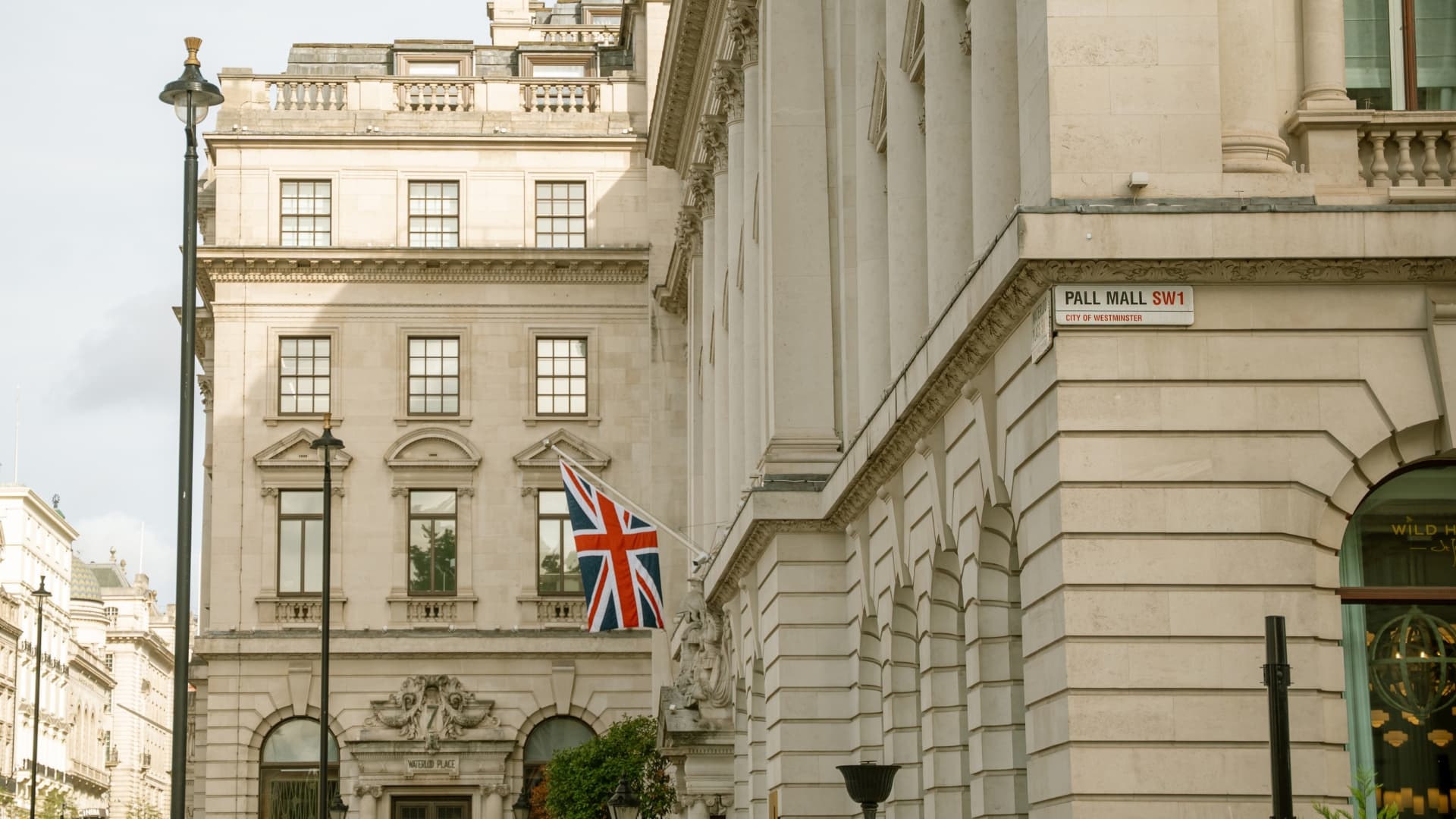
Our London clinic is located at London Pall Mall, The Medi Suites, 120 Pall Mall, St James’s
London, SW1Y 5EA
We serve patients from London, Kent and the home counties as well as from all over the world. Our London clinic sits in the heart of Pall Mall. The clinic sits at the eastern end of Pall Mall, by Waterloo Place, between Piccadilly Circus and Trafalgar Square.
Piccadilly Circus (Bakerloo and Piccadilly lines) is a five-minute walk via Lower Regent Street. Charing Cross (Bakerloo, Northern and National Rail) is seven minutes via Trafalgar Square, and Green Park (Jubilee, Victoria and Piccadilly lines) around ten minutes along Pall Mall. Buses stop on Pall Mall, Haymarket and around Trafalgar Square. If you are driving, Pall Mall is inside the Congestion Charge and ULEZ zones and street parking is limited. The nearest car park is Q-Park Trafalgar Square on Spring Gardens, a few minutes on foot. Taxis can drop you directly outside. When you arrive, press the buzzer for The Medi Suites to be let in, then take the stairs down to the clinic on the lower ground floor.