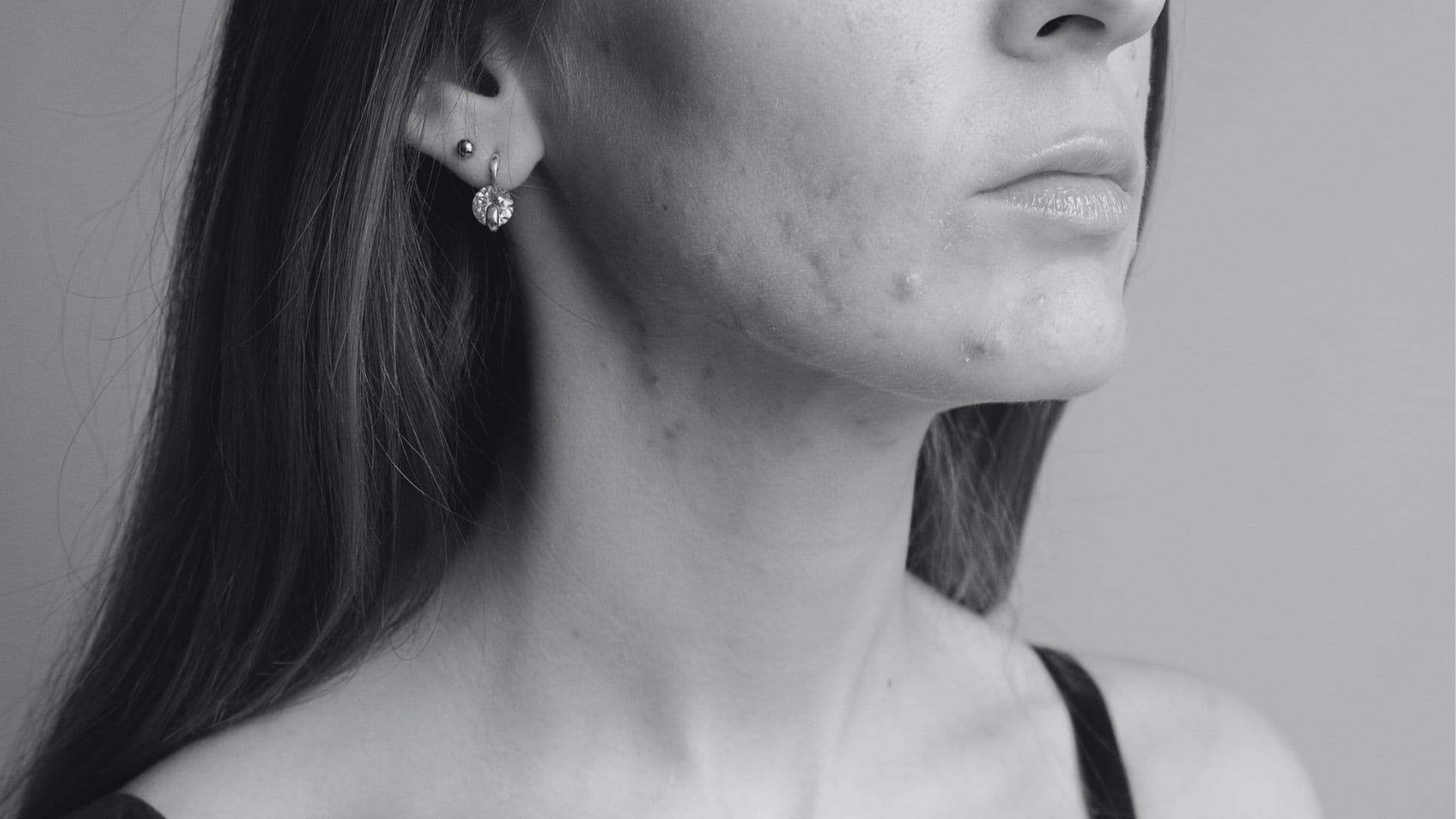
Acne scarring is one of the most common skin concerns Dr Ellie Sateei sees at her London and Sevenoaks clinics, and it can affect anyone who has experienced moderate to severe acne, at any age.
Acne scarring is one of the most common skin concerns Dr Ellie Sateei sees at her London and Sevenoaks clinics. It can affect anyone who has experienced moderate to severe acne, regardless of age, and often lingers long after the breakouts themselves have cleared. Results vary between individuals, and Dr Sateei will always talk you through what can realistically be achieved before any treatment plan is agreed.
Acne scarring develops when the skin’s deeper layers are damaged during inflamed, cystic or picked breakouts. Cystic acne is more likely to leave lasting marks than surface-level blemishes, and genetics, hormonal changes and picking or squeezing spots all influence how visible scarring becomes. Sun exposure can darken and prolong marks.
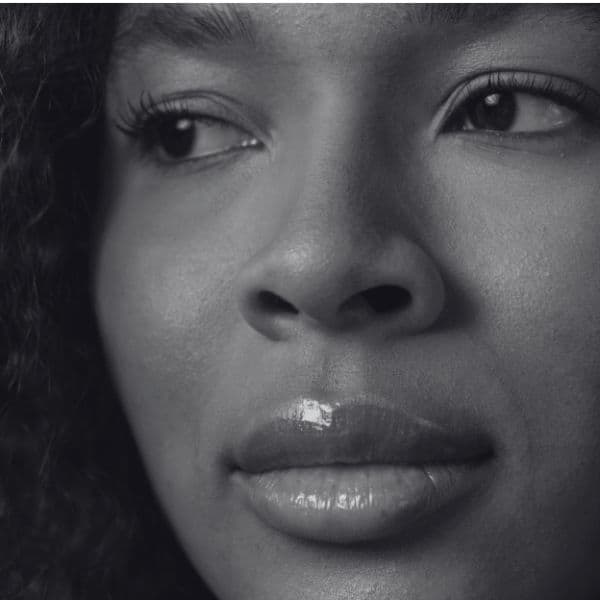
Icepick, boxcar and rolling scars create different textural patterns, from narrow pitting to broader, wave-like unevenness. Post-inflammatory hyperpigmentation, the flat discoloured marks left after a spot heals, is often mistaken for true scarring but fades more readily.
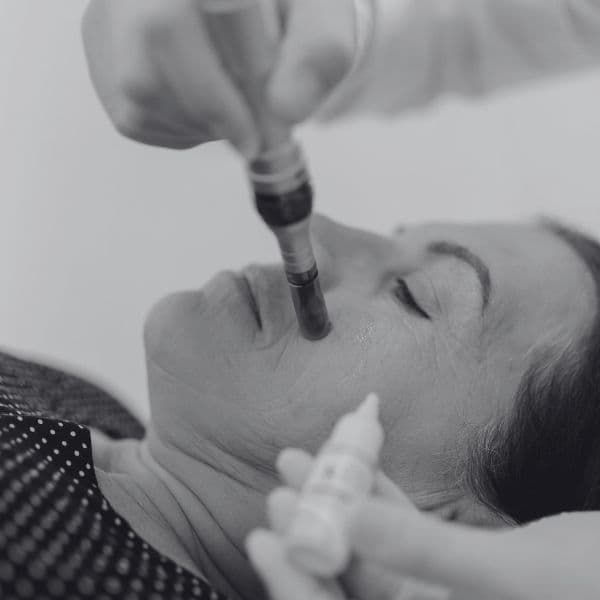
SkinPen microneedling is often central to treating textural acne scarring, using controlled micro-injuries to stimulate collagen production, with improvement building gradually over a series of sessions. Dermal fillers can sometimes support the base of rolling or boxcar scars where clinically appropriate. Skin boosters, polynucleotides and the Signature Skin Renewal Facial support hydration and skin quality, and a personalised medical-grade skincare programme using Obagi Medical and Skinbetter Science is almost always part of the plan.
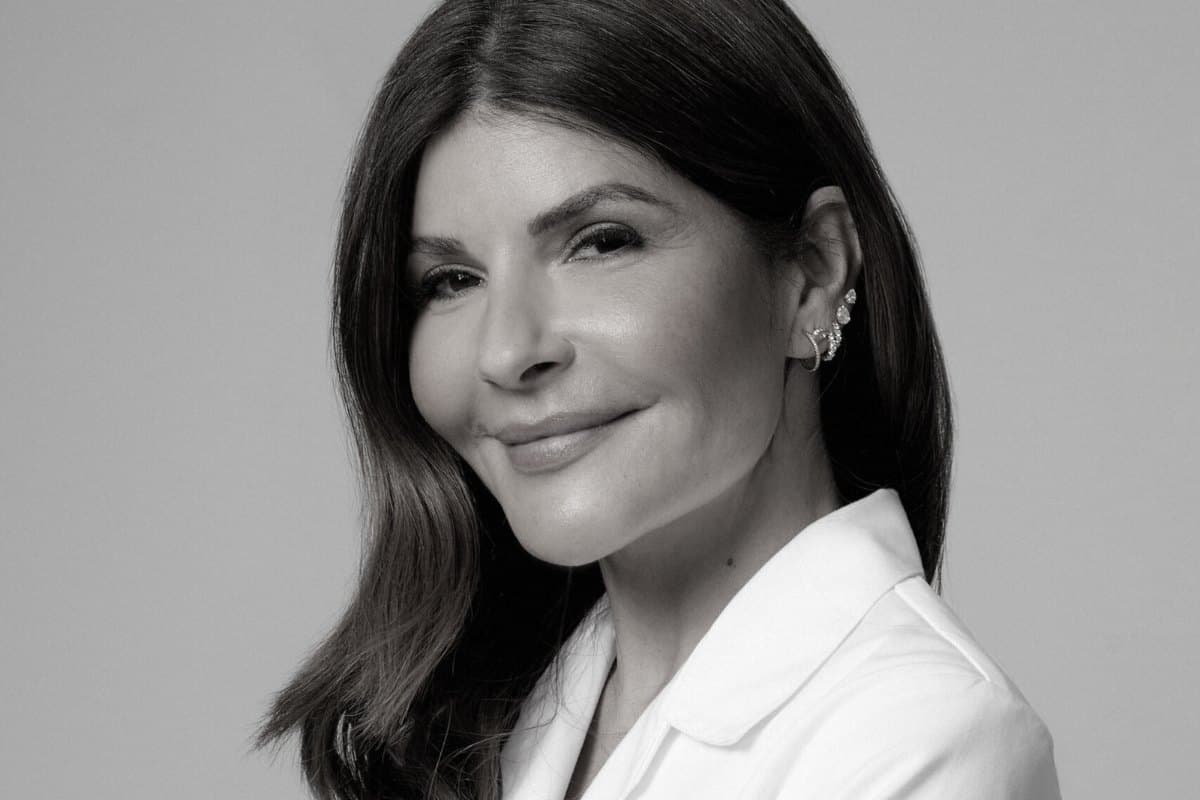
Dr Sateei brings over two decades of experience in dermatology and aesthetics, approaching acne scarring with particular care and transparency about what can realistically be achieved. As a GDC-registered practitioner, patient safety and ethical prescribing sit at the centre of her practice at both her London (near Harley Street) and Sevenoaks clinics.
Deeper skin damage during inflamed or cystic breakouts, influenced by genetics, severity, hormones and picking.
Early, effective acne treatment, avoiding picking and sun protection help minimise long-term marks.
SkinPen microneedling is often the foundation, sometimes with skin boosters, polynucleotides or filler.
Improvement builds gradually over a series of sessions.
Mild discomfort; topical numbing available.
Microneedling causes redness for a day or two; the Skin Renewal Facial has no expected downtime.
Most adults with textural or pigmented scarring.
Treatment can reduce the appearance, but results vary and complete removal cannot be guaranteed.
Many benefit from a combination approach.
No, it can be treated at any age.
Brands and Treatments to help with acne scarring
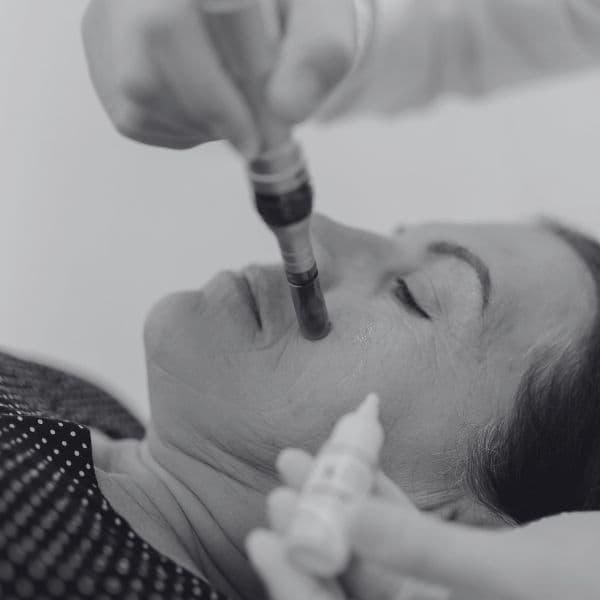

If acne scarring has been affecting your confidence, Dr Ellie Sateei welcomes a personal consultation at her London or Sevenoaks clinic.
Our London clinic is located at 91a New Cavendish Street, London, W1W 6XF
We serve patients from London, Kent and the home counties as well as from all over the world. Our London clinic sits in the heart of Marylebone, within easy reach of the West End by tube, while our Sevenoaks clinic in Ightham is moments from the M25 and M26 for patients across Kent.