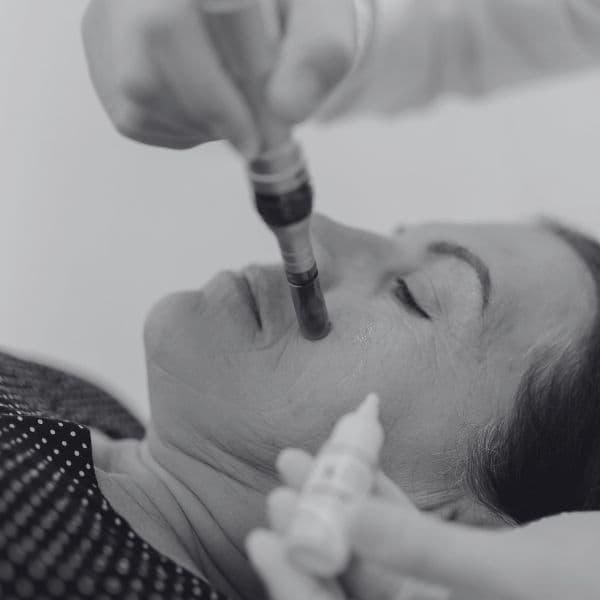
Polynucleotides work with the skin’s own repair processes to hydrate, strengthen and gently refresh, rather than adding volume or changing shape.


Polynucleotides are a regenerative injectable treatment that works with the skin’s own repair processes rather than adding volume to it. They hydrate, support microcirculation and encourage the skin to rebuild its own collagen, which makes them particularly useful in delicate areas where filler is often not the right answer.
The under-eye area is where Dr Sateei uses them most. It is the first part of the face to show tiredness, the thinnest skin on the face, and the area where added volume most easily creates a puffy result rather than a rested one. At her London and Sevenoaks clinics, polynucleotides offer a route to improving that area without filling it. Results vary between individuals and build across a short course.
Polynucleotides are fragments of purified DNA, derived in the products used here from salmon, chosen because the molecular structure is closely compatible with human tissue. They contain no hyaluronic acid gel and are not designed to occupy space.
Once introduced beneath the skin, they do three things. They draw in and hold water, improving hydration in tissue that has become dry and thin. They support microcirculation, which is part of why the under-eye area can look less shadowed afterwards. And they act as a signal to fibroblasts, prompting the skin to produce its own collagen and elastin over the following weeks.
The distinction from a skin booster is worth understanding, as the two are frequently conflated. A skin booster is largely a hydration treatment using hyaluronic acid. Polynucleotides work further upstream, on the repair signalling itself. In practice they often work well together, and Dr Sateei will explain which is appropriate for your skin, or whether both are.
Under the eyes, treatment is delivered using a fine cannula wherever possible rather than a needle, which reduces both discomfort and bruising risk in an area where bruising is common.

Polynucleotides may suit you if you are looking to:
They are usually not the right first step where there is significant volume loss in the tear trough, in which case a dermal filler may be more appropriate, and Dr Sateei will explain why. They will also not remove true pigment or hereditary under-eye shadowing caused by skin translucency rather than hollowing.
As with any injectable, they are not recommended during pregnancy or breastfeeding. They are derived from salmon DNA, so a fish allergy must be disclosed at consultation.

A course of two sessions, spaced two to three weeks apart, is typically recommended so the skin has time to respond between treatments. Some patients benefit from three. Treatment is delivered with a cannula where possible and most patients find it comfortable, describing pressure rather than sharp pain.
Some temporary swelling or light bruising is possible, particularly under the eyes, and this typically settles within a few days. Most patients return to normal activities the same day.
You may notice the area looking fresher and better hydrated within the first couple of weeks. The more meaningful improvement in texture, firmness and resilience develops as new collagen forms over the following one to three months. Effects generally last six to nine months, and sometimes up to a year alongside good skincare, after which a top-up session maintains the result.
| Treatment | London | Sevenoaks | |
|---|---|---|---|
| Polynucleotide eye rejuvenation, 1 session | From £450 | From £450 | |
| Polynucleotide eye rejuvenation, minimum 2 sessions | From £765 | From £795 | |
|
From £450 | From £450 | |
|
From £765 | From £795 | |
New patient consultation, £195 at both clinics. If you go ahead with treatment on the day of your appointment, this fee is deducted from the cost of your treatment.
Prices correct as published and subject to change.
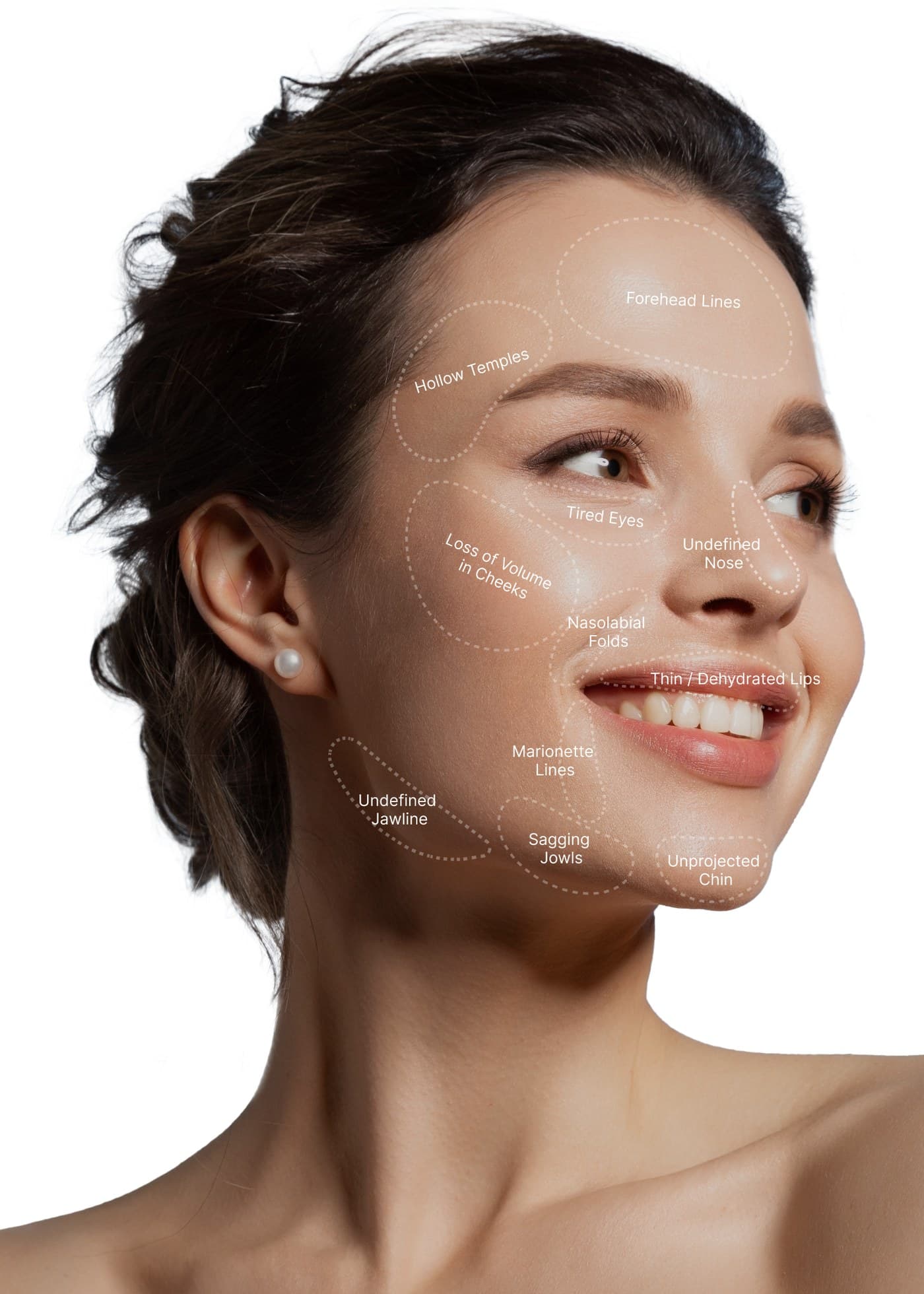
“The under-eye area is one of the most delicate parts of the face, and it shows tiredness before almost anywhere else. Polynucleotides let me address that without filling the space with volume the patient doesn’t actually need. I use a cannula wherever I can and plan the course around what the skin tells me at consultation, so the result looks like well-rested skin rather than a treated one. It’s a quiet, honest treatment, and that’s exactly why I like it.”
Dr Ellie Sateei has over two decades of experience in dermatology and aesthetics.
Purified DNA fragments, derived in the products used here from salmon, chosen because the structure is closely compatible with human tissue. A fish allergy should be disclosed at consultation.
Most patients find them comfortable rather than painful. A cannula is used wherever possible, which reduces discomfort compared with a needle, and the sensation is usually pressure rather than sharp pain.
Usually a course of two, spaced two to three weeks apart, from £795. Some patients benefit from three. Dr Sateei confirms the right plan at consultation.
Generally six to nine months, and up to around a year alongside good skincare, before a top-up maintains the effect. Results vary between individuals.
Neither is right in every case. Where the main issue is dehydration, fine lines and tiredness, polynucleotides are often the more appropriate choice. Where there is genuine volume loss, filler may be. Dr Sateei will assess which applies to you.
Profhilo is a hyaluronic acid skin booster working primarily on hydration and laxity. Polynucleotides work on the skin’s repair signalling. They are often used together rather than as alternatives.
Polynucleotides are often planned alongside these.


Polynucleotides improve the quality of thin, tired skin by supporting its own repair, which makes them a gentler option than filler around the eyes. If your under-eyes look tired, the useful question is what is actually causing it, and the honest answer is sometimes that no injectable will help. Dr Ellie Sateei sees patients at her London clinic.
Our London clinic is located at 91a New Cavendish Street, London, W1W 6XF
We serve patients from London, Kent and the home counties as well as from all over the world. Our London clinic sits in the heart of Marylebone, within easy reach of the West End by tube, while our Sevenoaks clinic in Ightham is moments from the M25 and M26 for patients across Kent.