
Lab-grown biomimetic exosomes that mimic the skin’s own cell-signalling, used to support repair, hydration and resilience after microneedling.
AnteAGE Biosomes is a regenerative skincare technology built around biomimetic exosomes. These are tiny, naturally occurring signalling particles that support the skin’s own repair and communication processes. Dr Ellie Sateei uses AnteAGE Biosomes as part of a considered, evidence-based approach to skin health at her London and Sevenoaks clinics.
Rather than working on the surface alone, Biosomes are designed to support the skin from within. This fits closely with Dr Sateei’s wider philosophy of enhancing the skin’s natural function rather than masking a concern.
Biosomes are laboratory-cultivated, biomimetic exosomes. They are designed to mimic the signalling molecules that skin cells naturally use to communicate with one another. Once applied to the skin, these signals prompt surrounding cells to behave as they would during natural repair. This plays a role in how skin regulates inflammation and produces collagen.
The technology is derived from stem cell science but does not use any actual stem cells or animal-derived material. Instead, it recreates the beneficial signalling effect through a lab-grown, biomimetic process. This makes it a considered option for patients who want a regenerative approach without more invasive stem cell therapies.
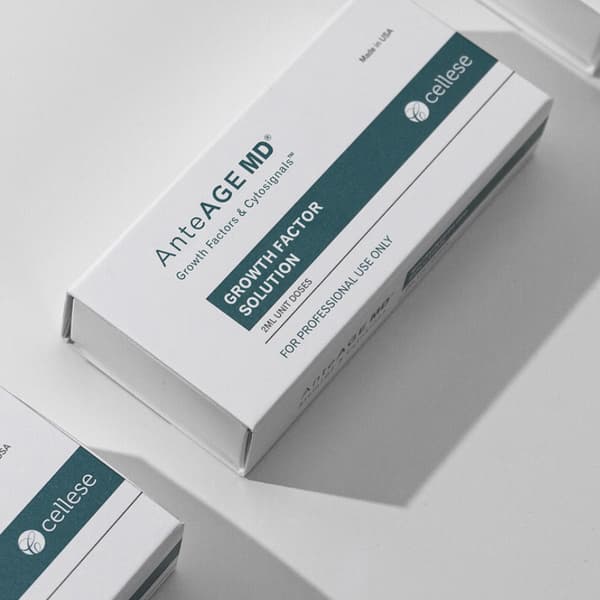
AnteAGE Biosomes are most commonly used to support skin recovery and quality after procedures such as SkinPen microneedling, where the skin’s repair response is already active. Applied topically or via the same micro-channels created during microneedling, Biosomes can help the skin make the most of this natural healing window.
Patients often choose this treatment to support overall skin resilience, hydration and radiance, particularly where skin has become dull, dehydrated or is recovering from previous treatment or environmental damage. It is frequently used alongside other regenerative treatments rather than as a standalone procedure.
AnteAGE Biosomes are typically applied directly to the skin following a procedure such as microneedling, when the skin is most receptive. The application itself is gentle and comfortable, with no significant sensation beyond what is felt during the primary treatment.
There is no separate downtime associated with the Biosomes application itself, beyond any downtime from the accompanying procedure. Most patients notice the skin looks calmer and more supported in the days following treatment, with results building further as the skin continues its natural repair process.
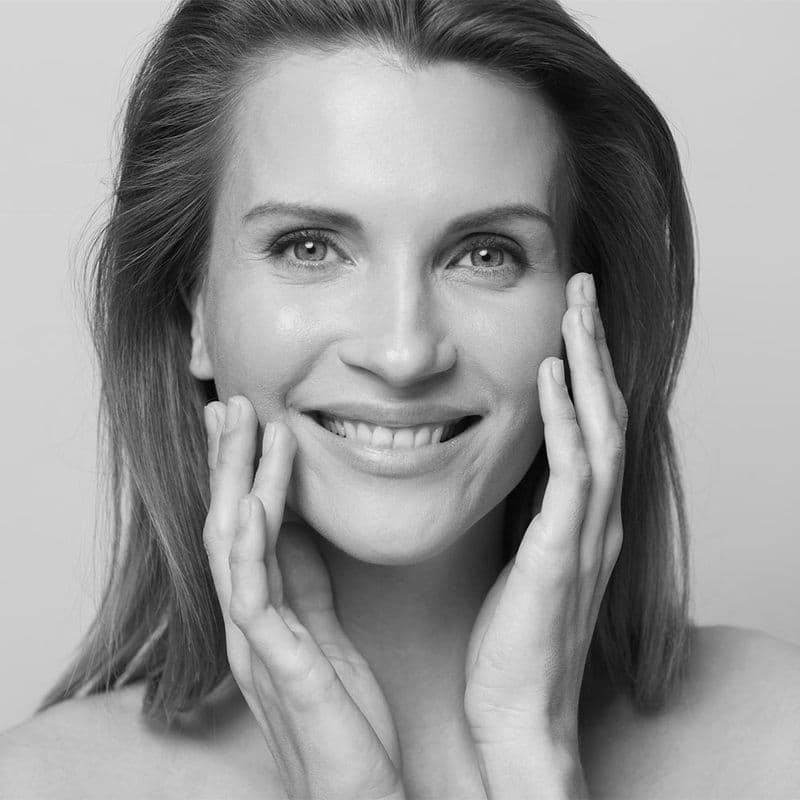
Dr Sateei brings over two decades of experience in dermatology and aesthetics to every treatment plan, and only recommends regenerative technologies such as Biosomes where they are genuinely likely to support your skin’s needs. Her approach favours working with the skin’s own biology, rather than overriding it.
Every plan is tailored to your individual skin type and goals following a proper consultation, at both her London clinic near Harley Street and her Sevenoaks clinic in Kent.

AnteAGE Biosomes is a regenerative skincare treatment using biomimetic exosomes, lab-grown particles designed to mimic the skin’s natural cell-signalling process.
Biosomes support the communication between skin cells that plays a role in repair, inflammation control and collagen production.
No. Biosomes are biomimetic, meaning they recreate the beneficial signalling effect without using actual stem cells or animal-derived material.
It is most often used alongside SkinPen microneedling, applied while the skin’s natural repair response is active.
The application itself is gentle. Any discomfort relates to the accompanying procedure, such as microneedling, rather than the Biosomes.
There is no separate downtime from the Biosomes application, beyond any downtime associated with the primary treatment.
Many patients notice calmer, more supported-looking skin within days, with results building further over the following weeks.
Most adults wanting to support skin recovery, hydration and resilience are suitable candidates, confirmed following a skin consultation.
It is most effective when paired with a procedure that opens the skin’s natural repair pathway, such as microneedling.
This depends on your skin’s condition and goals, and will be discussed as part of your personalised plan.
AnteAGE Biosomes is one of several exosome based regenerative brands Dr Ellie Sateei uses, alongside Calecim Professional, which has its own page. Both are most often applied following SkinPen microneedling.
The full list of other exosome brands used across the clinic is on the Calecim Professional page.
Brands named above that have their own page, for linking: Calecim Professional (/brands/calecim-professional), SkinPen microneedling (/brands/skinpen-microneedling)
Biosomes are applied during the skin’s natural healing window, so they are used to strengthen the result of another treatment. These are the concerns Dr Ellie Sateei uses them for most often.



If you would like to support your skin’s natural repair and resilience, Dr Ellie Sateei welcomes a personal consultation at her London or Sevenoaks clinic.
Our London clinic is located at 91a New Cavendish Street, London, W1W 6XF
We serve patients from London, Kent and the home counties as well as from all over the world. Our London clinic sits in the heart of Marylebone, within easy reach of the West End by tube, while our Sevenoaks clinic in Ightham is moments from the M25 and M26 for patients across Kent.