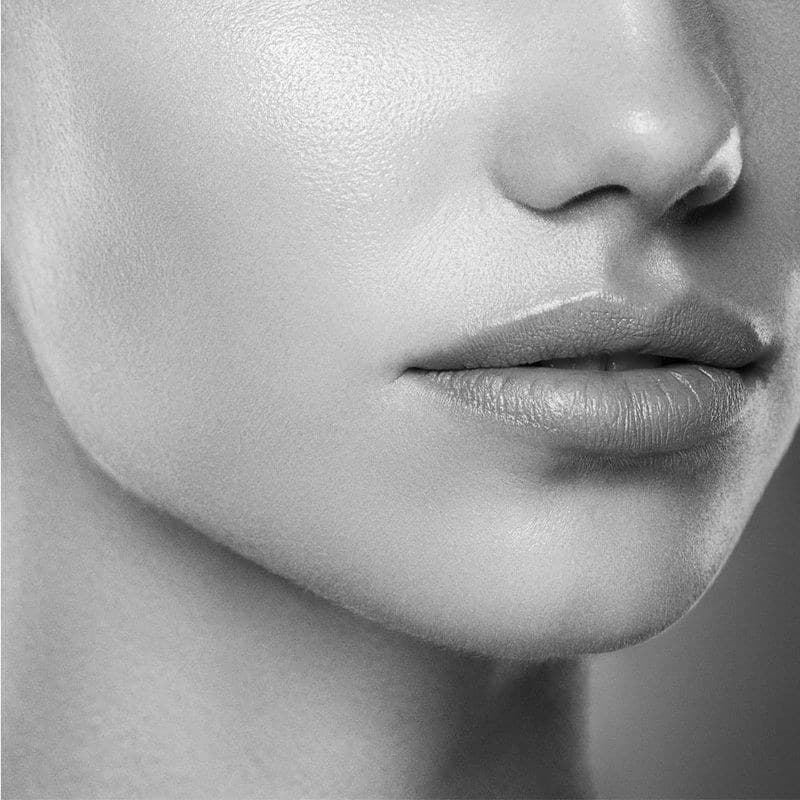
Reducing the activity of the chewing muscle eases clenching, jaw tension and the headaches that often come with them.


Bruxism is involuntary clenching or grinding of the teeth, usually at night. Most people who do it are unaware until a dentist points out the wear, or until the consequences arrive: a jaw that aches on waking, tension headaches across the temples, sensitive or chipped teeth, and in some patients pain in the jaw joint itself.
Treatment places botulinum toxin into the masseter, the main chewing muscle, to reduce how forcefully it can contract. The grinding action does not stop entirely, but the force behind it reduces substantially, which is what relieves the symptoms and reduces wear.
At Dr Ellie Sateei’s London and Sevenoaks clinics this is treated as a medical concern first, with the contour change to the jaw as a secondary effect. Results vary between individuals.
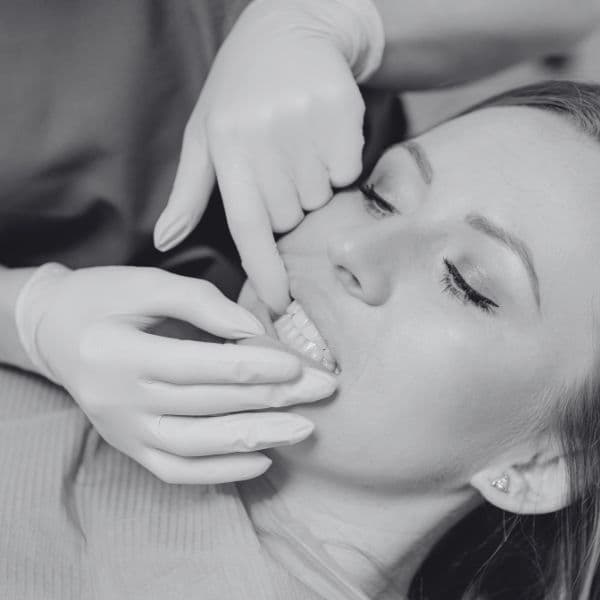
Product is placed deep into the masseter on each side, in doses considerably larger than facial areas require, avoiding the superficial fibres that contribute to expression.
Reducing the muscle’s contractile force lowers the load transmitted to the teeth and the jaw joint. Patients typically report the morning ache easing first, then the headaches, then a general reduction in how tight the jaw feels through the day.
This is symptom management rather than a cure. Bruxism is usually driven by stress, sleep quality, airway issues or dental occlusion, and the treatment does not address any of those. Dr Sateei will ask about all of them, and will recommend a dental review, a night guard, or in some cases a sleep assessment alongside. A patient who receives injections and nothing else is getting part of the care they need.
Where the masseter is substantially enlarged from years of grinding, the jaw will also narrow over two to three months. Many patients welcome that. It is a consequence rather than the aim here.

It may suit you if you are experiencing:
It is not suitable during pregnancy or breastfeeding, or with certain neuromuscular conditions. Where jaw joint pain is the dominant symptom, a dental or maxillofacial assessment should come first, as temporomandibular joint problems have causes this treatment does not address.

Treatment takes around 15 minutes. Fine needles are used and numbing is generally not required, though the area may feel tender for a day or two.
There is no expected downtime. Mild fatigue with tougher foods is common for the first week or two.
Symptom relief typically begins within two weeks. The effect lasts around four to six months, longer than facial areas, and most patients settle into a maintenance interval of roughly twice a year.
| Treatment | London | Sevenoaks |
|---|---|---|
| Bruxism and teeth grinding treatment | TBC | TBC |
New patient consultation, £195 at both clinics. If you go ahead with treatment on the day of your appointment, this fee is deducted from the cost of your treatment.Prices correct as published and subject to change.
“This is one of the few treatments I offer where patients come in with a symptom rather than an appearance, and the relief is genuinely the point. But I always ask what else is going on, because grinding is usually stress or sleep or your bite, and none of those is fixed by an injection. I will happily treat the muscle. I will also tell you to see your dentist, and I mean it.”
Dr Ellie Sateei has over two decades of experience in dermatology and aesthetics.
This treatment uses considerably more product than a standard facial area and is priced separately. Please confirm the current fee at consultation, which is £195 and deducted from treatment on the day.
Most patients notice relief within two weeks, with the morning ache usually easing first.
No. It reduces the force the muscle can generate, which is what relieves symptoms and reduces tooth wear. The grinding action itself does not stop.
Often yes. The two work differently: a guard protects the teeth, and treatment reduces the force. Dr Sateei will recommend a dental review alongside.
Around four to six months. Most patients settle into maintenance roughly twice a year.
If the muscle is substantially enlarged, the jaw will narrow over two to three months. Many patients welcome that, though it is a consequence here rather than the aim.
Bruxism line fillers are often planned alongside these.

Treatment reduces the force behind grinding and relieves the ache, headaches and wear that come with it, but it works best as part of a plan that also asks why you are grinding. If your jaw aches on waking, that is the conversation worth having. Dr Ellie Sateei sees patients at her London and Sevenoaks clinics.
Our London clinic is located at 91a New Cavendish Street, London, W1W 6XF
We serve patients from London, Kent and the home counties as well as from all over the world. Our London clinic sits in the heart of Marylebone, within easy reach of the West End by tube, while our Sevenoaks clinic in Ightham is moments from the M25 and M26 for patients across Kent.