
Most under-eye shadowing is not caused by hollowing, and filler makes some of its causes worse. This is Dr Sateei’s approach to the area without using any.


Under-eye shadowing has at least four causes and filler addresses one of them.
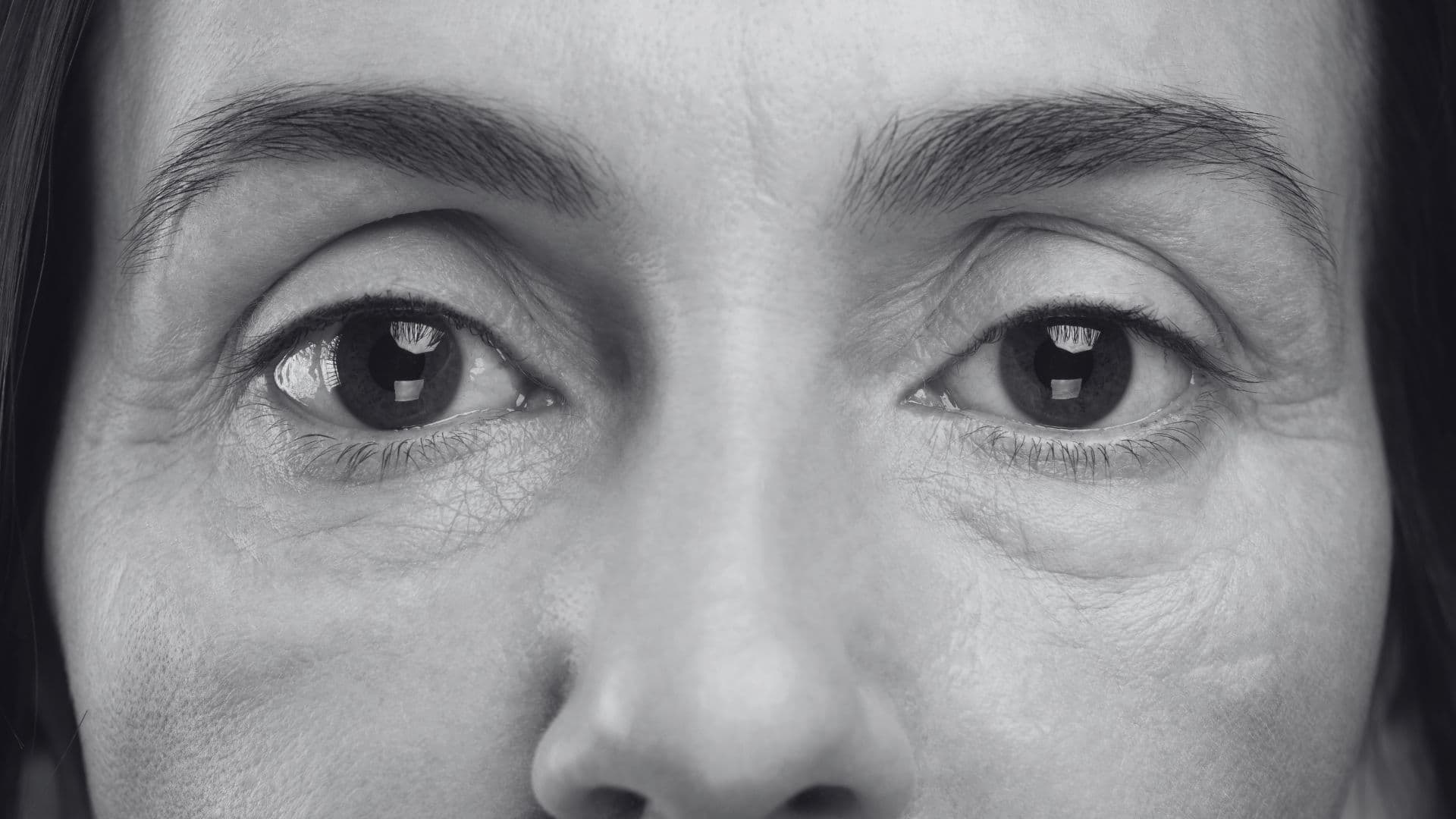
Hollowing, where volume has been lost and the groove beneath the eye has deepened, is the one filler is designed for. Pigment, where the skin itself is darker, does not improve with volume at all and is a skincare question. Skin translucency, often hereditary, where the vessels beneath thin skin show through, is a matter of skin quality and thickness. Puffiness, where fat pads protrude or fluid collects, frequently looks worse after filler, because adding volume beneath an already full area increases the heaviness.
For years filler was the only tool available for this area, which is why it became the default answer to all four. It is not, and a meaningful share of the correction work at this clinic is under-eye filler that should not have been placed.
This page describes what Dr Ellie Sateei does instead. It is her own approach rather than a branded protocol, built from polynucleotides, hydration where appropriate, prescribed skincare and photoprotection, and adjusted according to which cause is dominant in your case. No filler is used. Results vary between individuals.
The assessment comes first and determines everything else. Dr Sateei examines which of the four causes dominates, and that decides what is used, in what order, and whether treatment is worth having at all.
Polynucleotides are the main tool. They are fragments of purified DNA, derived here from salmon, containing no hyaluronic acid gel and adding no volume. Introduced beneath the skin they hold water, improving hydration in tissue that has become dry and thin. They support microcirculation, which is part of why the area can look less shadowed afterwards. And they signal to fibroblasts, prompting the skin to build its own collagen and elastin over the following weeks. They are delivered with a fine cannula wherever possible rather than a needle, which reduces both discomfort and bruising in an area where bruising is common.
A hydration-focused skin booster may be added where the skin around the orbit is dehydrated as well as thin, chosen for the delicacy of the area rather than from the general booster menu.
Prescribed skincare and daily broad-spectrum sunscreen do the work no injectable does. Where pigment is contributing, this is the intervention that matters, and pigmentation treated without photoprotection returns regardless of what is injected.
Midface support is considered separately and only where genuinely indicated, because cheek support can improve under-eye shadowing indirectly by addressing the structure the shadow falls across. That is filler, it is not part of this approach, and where it is the honest recommendation Dr Sateei will say so rather than work around it.
What this approach will not do is worth stating plainly. It will not fill a significant hollow. It will not remove true pigment, though the skincare element may reduce it over months. And it will not change hereditary shadowing caused by skin translucency, though improving the thickness and quality of the skin may soften how much shows through.

It may suit you if:
It is not the first step where significant volume loss in the tear trough is genuinely the dominant cause, in which case filler may be more appropriate, and Dr Sateei will tell you so even though this page exists. It is also not the right route where the honest recommendation is a surgical opinion, which is occasionally the case with pronounced fat pads.
As injectable treatments, these are not recommended during pregnancy or breastfeeding, and a fish allergy must be disclosed because polynucleotides used here are derived from salmon.
A course of two sessions two to three weeks apart is typical, and some patients benefit from three. Treatment takes around 30 minutes including numbing, and a cannula is used wherever possible, which most patients describe as pressure rather than sharp pain.
Temporary swelling or light bruising is possible and typically settles within a few days. Most patients return to normal activities the same day. Bruising in this area is more common than elsewhere on the face even with a cannula, so this is not a treatment to have in the week before an event.
The area often looks fresher within the first couple of weeks as hydration improves. The meaningful improvement in texture, thickness and resilience develops as collagen forms over one to three months. Effects generally last six to nine months, and up to around a year alongside good skincare, before a top-up maintains the benefit. Where pigment is part of the picture, the skincare element works on a slower timeline again, often three to six months. Results vary between individuals.
| Treatment | London | Sevenoaks |
|---|---|---|
| Polynucleotide eye rejuvenation, 1 session | From £450 | From £450 |
| Polynucleotide eye rejuvenation, minimum 2 sessions | From £795 | From £795 |
| Skincare consultation | From £195 | From £195 |
| Tear trough filler, for comparison | From £795 | From £795 |
New patient consultation, £195 at both clinics. If you go ahead with treatment on the day of your appointment, this fee is deducted from the cost of your treatment.
Prices correct as published and subject to change.
“I turn away more patients from under-eye filler than I accept, and for a long time that meant sending people home with nothing. It is not that filler does not work here, it works beautifully when hollowing is genuinely the problem. But most under-eye shadowing is not hollowing. It is pigment, or thin skin, or puffiness, and filler makes two of those three worse. Now I can improve the skin instead of filling the space, which is what most of these patients actually needed. And I spend a good part of my week dissolving what somebody else was not cautious about, which is the other reason I am careful.”
Dr Ellie Sateei has over two decades of experience in dermatology and aesthetics.
Yes, where the cause is thin skin, dehydration, crepiness or puffiness rather than a genuine hollow. Polynucleotides improve the quality of the skin without adding any volume.
From £450 for a single session and from £795 for a course of two. Your consultation is £195, deducted from the cost of treatment if you go ahead on the day.
Neither is better in general. Where the shadow is cast by a genuine hollow, filler may be more appropriate. Where it is caused by thin skin, pigment or puffiness, this approach is, and filler can make the last of those worse.
It may improve shadowing caused by thin skin and reduced microcirculation. It does not remove true pigment, which is addressed through prescribed skincare and daily sun protection over months.
Usually two, two to three weeks apart, and some patients benefit from three. Dr Sateei confirms the plan at consultation.
She will tell you, and explain why. Some patients have genuine hollowing and filler is the more precise answer for them, which is a conversation had at the consultation rather than avoided.
Treatments of interest to book alongside non-filler tear trough rejuvenation
Most under-eye shadowing is not caused by hollowing, which means most patients asking about this area do not need filler. Finding out which cause is dominant in your case is the useful next step, and the honest answer is sometimes skincare, sometimes patience, and occasionally filler after all. Dr Ellie Sateei sees patients at her London clinic.
Our London clinic is located at 91a New Cavendish Street, London, W1W 6XF
We serve patients from London, Kent and the home counties as well as from all over the world. Our London clinic sits in the heart of Marylebone, within easy reach of the West End by tube, while our Sevenoaks clinic in Ightham is moments from the M25 and M26 for patients across Kent.