
Cheek filler restores the support that has thinned in the midface, which often softens the folds lower down as well.


The midface is usually the first area to lose support, and it tends to go before anyone identifies it as the problem. What patients notice is not flatter cheeks. It is folds appearing beside the nose, a heavier look to the lower face, or under-eye shadowing that makeup stopped covering.
Cheek filler rebuilds that support. Placed correctly, it restores the structure the midface has lost, which lifts the tissue below it and frequently softens nasolabial folds and marionette lines as a secondary effect, without those areas being treated directly.
At Dr Ellie Sateei’s London clinic this is often the treatment recommended to a patient who arrived asking about something else. Results vary between individuals.
Cheek treatment is structural, which means depth matters more than volume. A firmer product placed deep against the bone rebuilds the foundation. The same product placed superficially adds width to the face without restoring support, which is what produces the flat, wide look associated with overdone cheeks.
Dr Sateei assesses where support has been lost before choosing product or placement, using the Arthur Swift SEL principles that read the face as one unit. Because restoring midface support often improves the areas beneath it, treating the cheek first and reviewing is frequently more economical than treating the folds directly.
Cannulas are used where appropriate to reduce bruising, and a staged approach across more than one appointment is available where you would rather build gradually.

Cheek filler may suit you if you are looking to:
It is not the right treatment where the dominant change is skin laxity rather than lost volume, because adding volume to loose skin can increase heaviness rather than improve it. In that case a collagen stimulator or a combined plan is more appropriate. It is also not the right treatment if you are looking for higher or sharper cheekbones than your underlying structure supports.
As an injectable treatment, it is not recommended during pregnancy or breastfeeding. Your medical history and any previous filler in the area will be discussed at consultation.

Treatment takes around 30 minutes. Numbing cream is applied and most products used contain lidocaine, so discomfort is generally mild. Most patients return to normal activities immediately.
Mild swelling or bruising can occur and typically settles within a few days. The midface swells less dramatically than the lips, so the result reads closer to final sooner, usually within a week.
Cheek filler generally lasts twelve to eighteen months, towards the longer end of the range, because the area moves less than the lips or the mouth. Dr Sateei reviews the result before considering any further treatment, since the effect on the folds below often changes what else is needed.
| Treatment | London | Sevenoaks |
|---|---|---|
| Cheek fillers | From £550 | From £495 |
| Temple filler | From £595 | From £595 |
| Filler dissolving | From £350 | From £350 |
New patient consultation, £195 at both clinics. If you go ahead with treatment on the day of your appointment, this fee is deducted from the cost of your treatment.Prices correct as published and subject to change.

“Most patients who come to me about the lines beside their nose do not need those lines filled. They need the support above them rebuilt, and the lines soften on their own. It is a smaller intervention and it looks more like them at the end of it. The temptation in this job is always to treat what the patient points at. The skill is working out what is actually causing it.”
Dr Ellie Sateei has over two decades of experience in dermatology and aesthetics.
From £550 in London. Your consultation is £195, deducted from the cost of treatment if you go ahead on the day.
Generally twelve to eighteen months, at the longer end of the filler range, because the midface moves less than the lips or mouth.
Not where it is placed deep to rebuild support. The wide, flat appearance associated with overdone cheeks comes from superficial placement or excessive volume.
Often yes. Restoring midface support frequently softens nasolabial folds without treating them directly, which is why Dr Sateei will usually assess the cheek first.
Most patients return to normal activities immediately. Mild swelling or bruising can occur and typically settles within a few days.
Discomfort is generally mild. Numbing cream is applied and most products used contain a local anaesthetic such as lidocaine.
Dermal fillers are often planned alongside these.
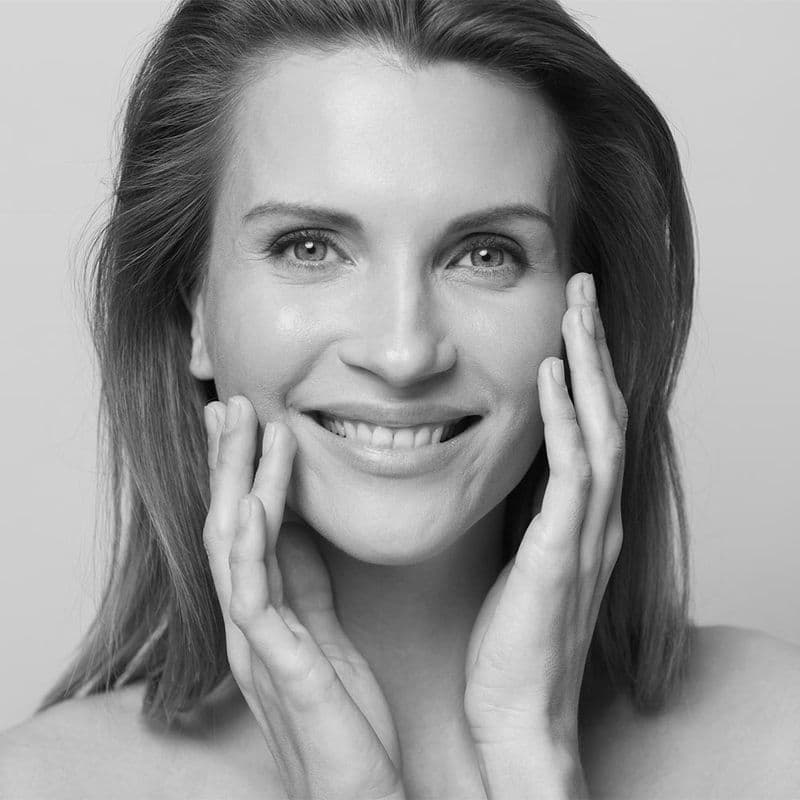
Cheek filler restores support in the area that usually loses it first, and often improves the folds beneath it at the same time. If you have noticed changes across your midface, the most useful next step is an assessment of what is actually causing them, which may point somewhere other than where you expected. Dr Ellie Sateei sees patients at her London clinic.
Our London clinic is located at 91a New Cavendish Street, London, W1W 6XF
We serve patients from London, Kent and the home counties as well as from all over the world. Our London clinic sits in the heart of Marylebone, within easy reach of the West End by tube, while our Sevenoaks clinic in Ightham is moments from the M25 and M26 for patients across Kent.